

Is your voice security stack ready for AI attacks?

Learn how HealthEquity dropped Fraud by 90%
With access, automation, and synthetic manipulation, attackers drain HSA/FSA funds and reroute benefits—exposing PHI and causing financial losses.
Healthcare
fraud is at a
breaking
point.
AI + legacy security = unprecedented fraud.

Legacy security leaves your org vulnerable
Armed with stolen data, AI callers easily bypass KBAs, OTPs, and other legacy security checks—then exploit workflows to change credentials and steal accounts.

Deepfakes and bots steal funds
With access, automation, and synthetic manipulation, attackers drain HSA/FSA funds and reroute benefits—exposing PHI and causing financial losses.
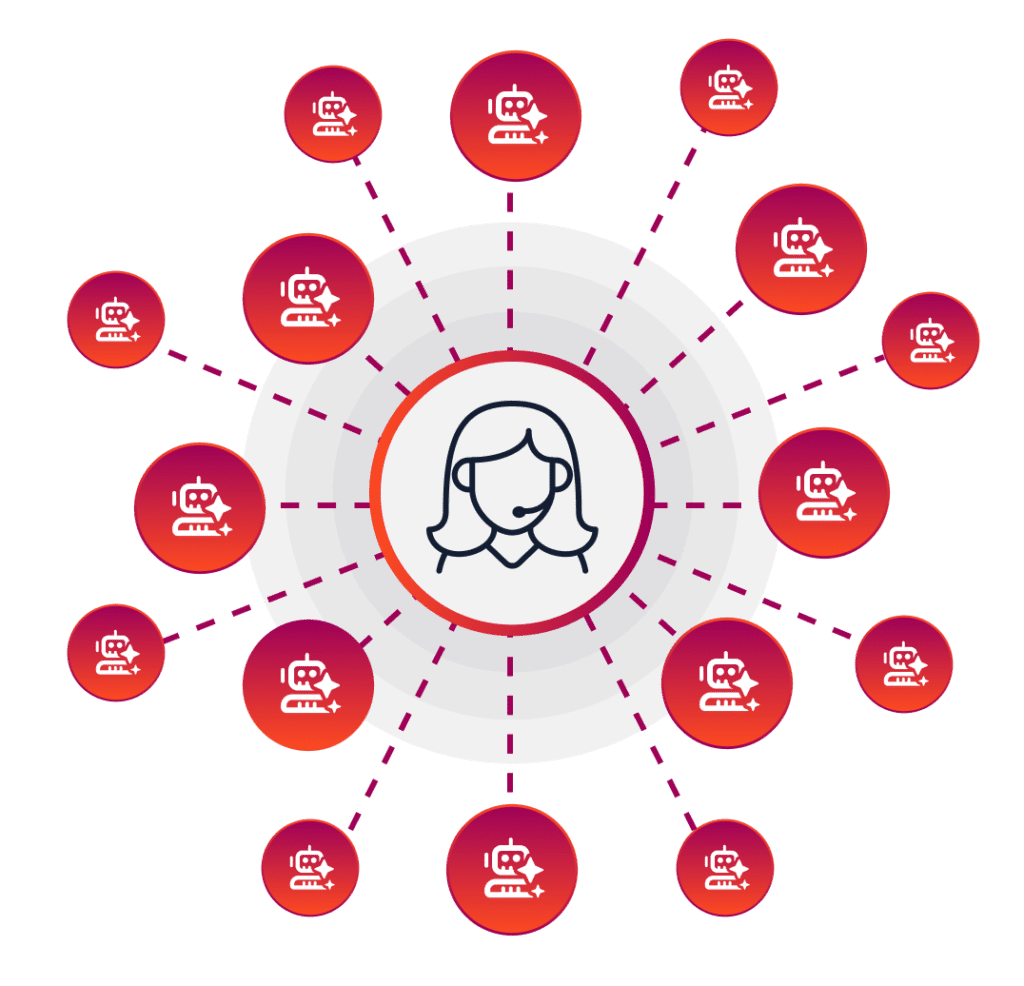
Call times suffer under bot swarms
Automated bots flood contact centers, probing the IVR and monopolizing agents’ time. This surge drives up wait times and blocks legitimate callers.
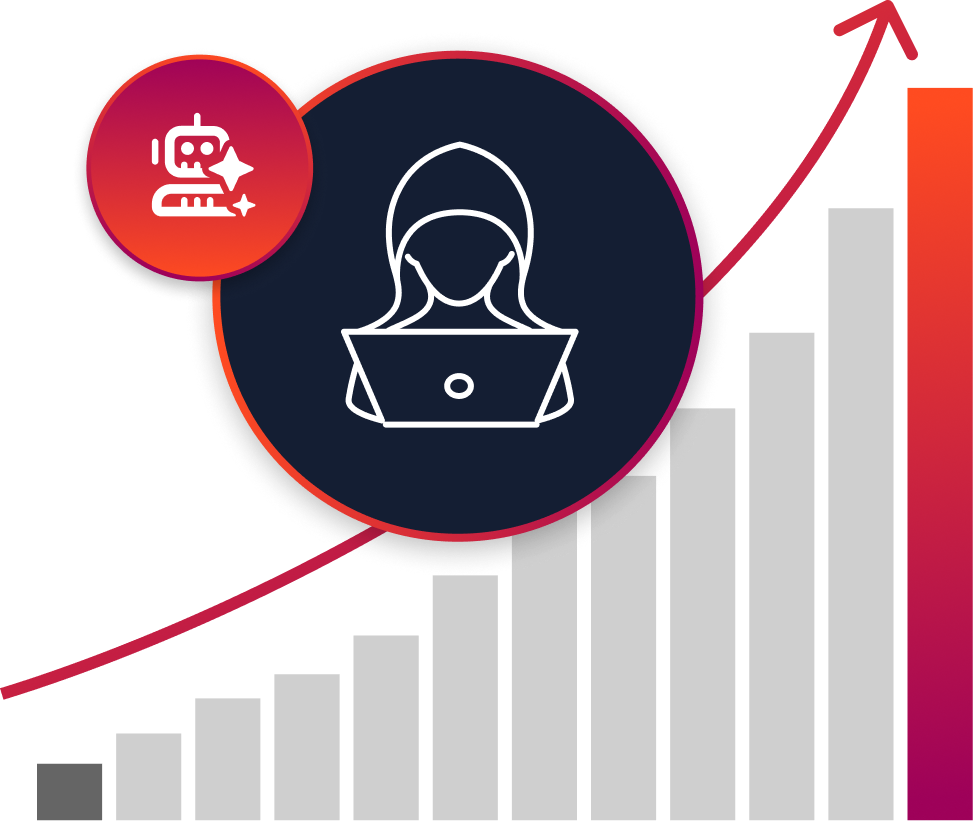
1210% surge in AI fraud in 2025.3
Our researchers uncovered just how hard AI attacks are hammering healthcare. Discover how these scams are reshaping digital trust.
Defend your real-time voice interactions against AI attacks.


Fortify your security.
Healthcare fraud detection FAQs
AI attacks are surging and deepfake fraud has spiked 1300%.1 Legacy defenses can’t keep up, contributing to $14.6B in intended fraud losses in 2025.2 Healthcare organizations are particularly vulnerable because processes like knowledge-based authentication are still heavily relied on—and are now easily bypassed by bad actors.
Pindrop solutions defend real-time voice interactions by authenticating repeat callers, catching risk in real time, and detecting AI imposters like deepfakes and bots.
Bots, deepfakes, and AI-backed schemes that drain HSA/FSA funds, reroute benefits, expose PHI, and overload workflows.
Armed with stolen data, AI callers bypass legacy checks—knowledge-based questions are bypassed >50% of the time.1
Yes—Pindrop Pulse identifies synthetic manipulation and deepfake impersonations and generates risk alerts so you can intervene before sustaining losses.
Yes—see how HealthEquity dropped fraud by 90% in the Pindrop case study.
By surfacing risk in real time and detecting AI activity and deepfakes, Pindrop solutions help you intervene before bots monopolize agents and block legitimate callers.
The platform uses layered factors—like device and voice analysis—to authenticate legitimate customers while keeping service moving.
Related research + insights
Access expert research, detailed guides, and practical resources on voice security to strengthen your contact center’s defenses.


90% Drop in Fraud and a Smoother CX: How HealthEquity Did It

Methods to Improve Healthcare Contact Centers for Patient Satisfaction
1 Pindrop, “2025 Voice Intelligence and Security Report,” June 2025.
2 U.S. Office of Health and Human Services, Office of the Inspector General, “2025 National Health Care Fraud Takedown,” 2025.
3 Pindrop analysis of AI fraud data from January-December 2025